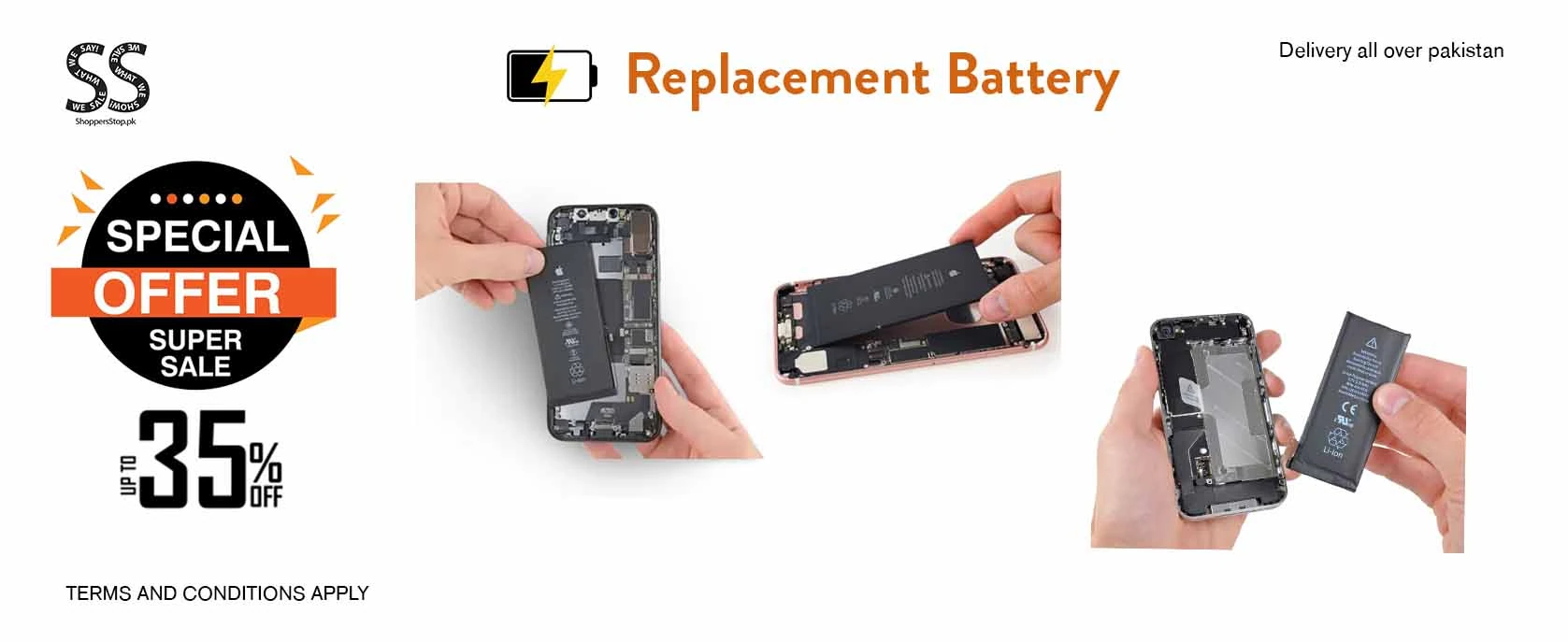
Replacement batteries are essential components for maintaining the functionality of mobile phones, particularly when the original battery has deteriorated due to regular use or damage. Over time, batteries can lose their efficiency, often caused by factors like short circuits or the use of incompatible chargers. The availability of replacement batteries allows users to extend the life of their devices without having to invest in costly replacements, making it a practical solution for many individuals who rely on their mobile devices for daily tasks.
About Replacement Battery
Replacement batteries are specifically designed to restore the power capacity of mobile devices, ensuring that they can operate efficiently and reliably. As the lifespan of phone batteries progresses, it is common for them to lose their ability to hold a charge effectively. This degradation can lead to frequent disconnections, unexpected shutdowns, and overall inconvenience for users. The technology behind these batteries has advanced significantly in recent years, enabling users to replace old or damaged batteries with relative ease. This not only saves consumers money but also contributes to reducing electronic waste, as individuals do not need to discard their entire device when the battery fails.
In today’s market, there are various brands that offer high-quality replacement batteries tailored for a wide range of mobile phone models. These batteries are engineered to meet specific power requirements, ensuring that they provide compatibility and performance similar to that of the original components. By choosing a suitable replacement, users can enjoy the benefits of their devices without the frustrations associated with diminished battery life.
Common Types and Features of Replacement Batteries
- Lithium-ion and Lithium Polymer are among the most common battery types available, known for their efficiency and lightweight properties, making them suitable for mobile devices.
- Capacity ratings, usually measured in milliampere-hours (mAh), indicate how long the battery can effectively power a device before it requires recharging, thus providing insight into the battery’s longevity.
- Compatibility with specific mobile phone models is crucial; users should always verify that the replacement battery matches their device’s specifications to ensure optimal performance.
- Some replacement batteries come equipped with built-in protection circuits designed to prevent issues such as overcharging and overheating, enhancing user safety and battery longevity.
- Quality assurance from recognized brands is an essential factor that can indicate reliability and performance consistency, ensuring that users receive a dependable product.
- Installation tools and guides are often included or readily available, facilitating the battery replacement process and making it accessible even for those who may not have prior experience.
- Environmental considerations are increasingly significant, with some manufacturers offering recycling programs for old batteries, encouraging responsible disposal and promoting sustainability.
In conclusion, replacement batteries play a vital role in the maintenance of mobile devices, providing a cost-effective solution to battery-related issues. By understanding the types and features of replacement batteries available, users can make informed decisions that best suit their needs. The advancements in battery technology not only enhance the user experience but also contribute positively to environmental sustainability by minimizing electronic waste. As mobile devices continue to be an integral part of daily life, having access to reliable replacement batteries ensures that users can keep their devices running smoothly for years to come.