
Gaming Accessories
Showing 25–41 of 41 results
-
Sale!
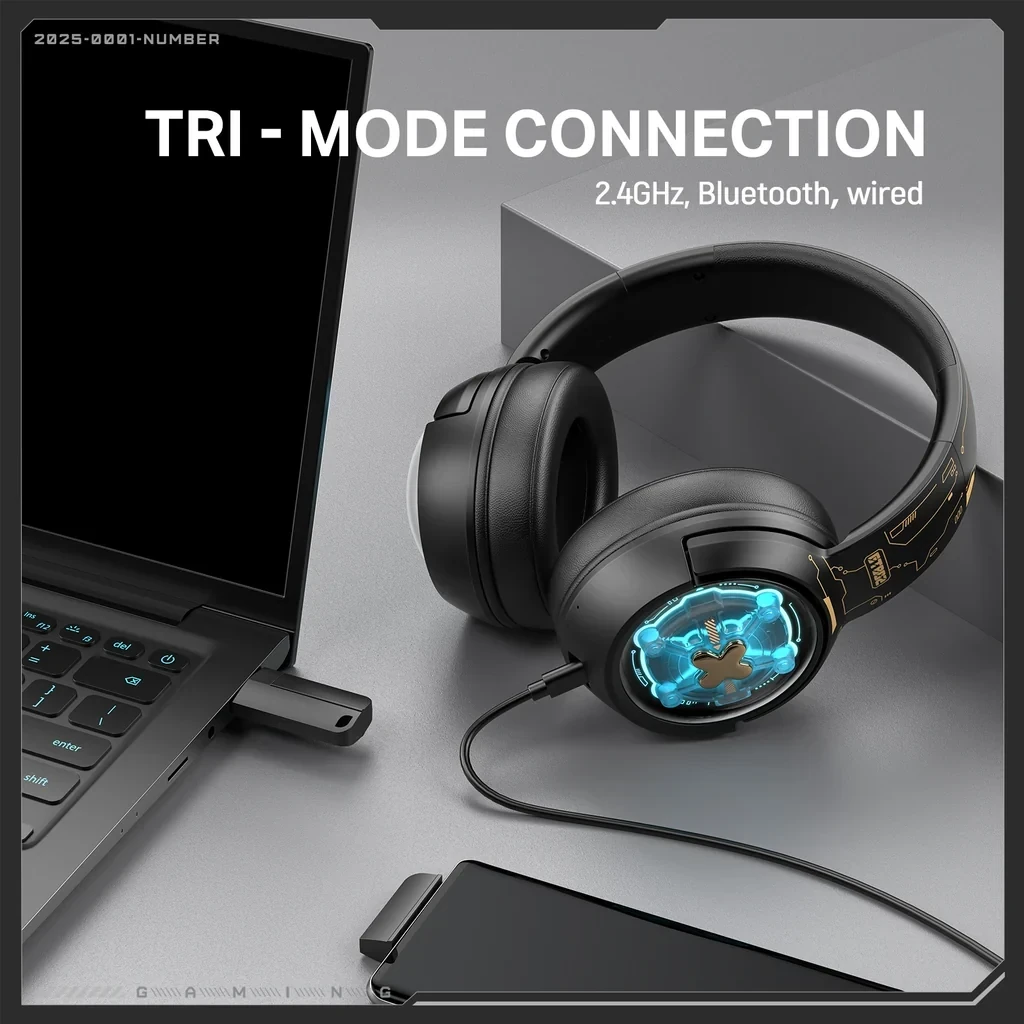
Onikuma 2.4G Gaming Wireless Headphone GT802
Original price was: ₨ 9,800.₨ 7,538Current price is: ₨ 7,538. -
Sale!
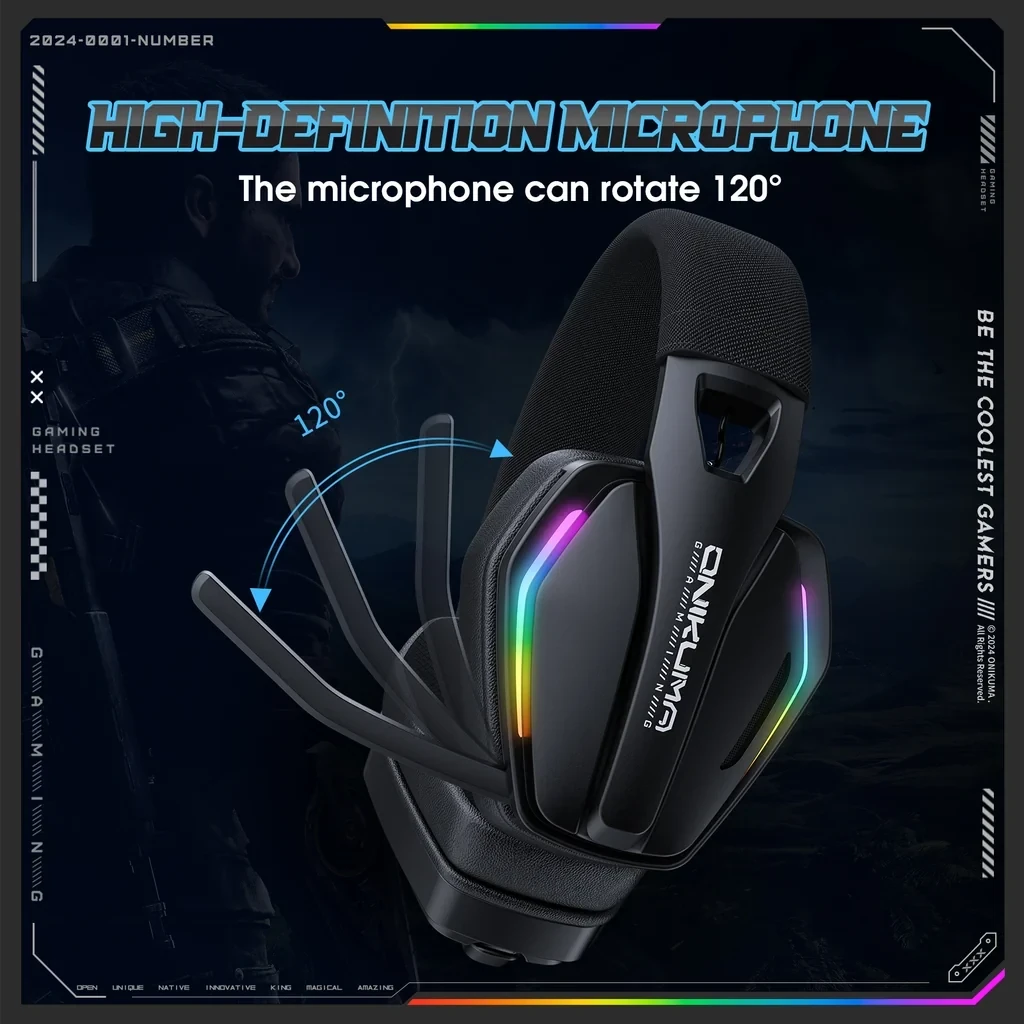
Onikuma 2.4G Gaming Headphone Wired GT826
Original price was: ₨ 9,500.₨ 7,308Current price is: ₨ 7,308. -
Sale!
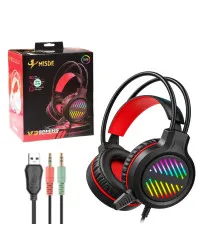
Misde Gaming Headphone Wired V3 2PIN
Original price was: ₨ 2,380.₨ 1,831Current price is: ₨ 1,831. -
Sale!
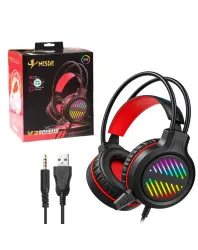
Misde Gaming Headphone Wired V3 1PIN
Original price was: ₨ 2,380.₨ 1,831Current price is: ₨ 1,831. -
Sale!
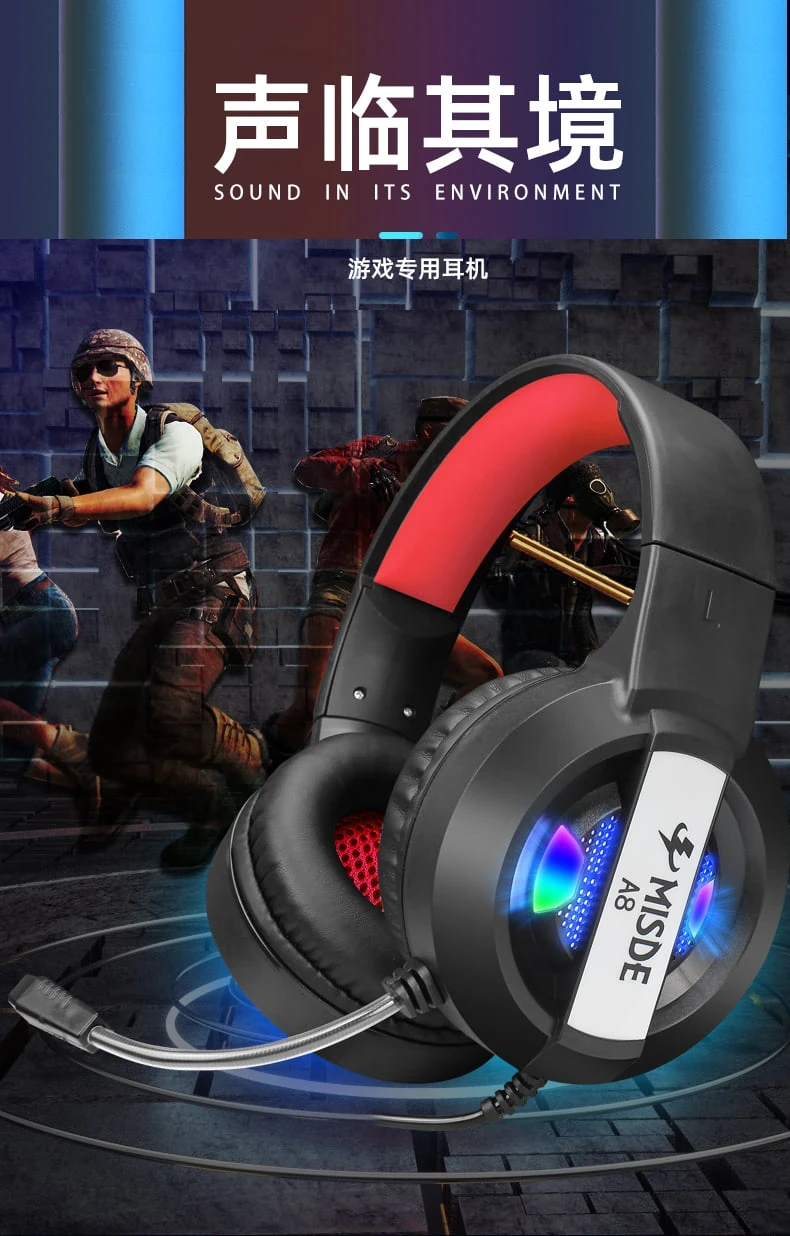
Misde Gaming Headphone Wired A8 2PIN
Original price was: ₨ 2,900.₨ 2,231Current price is: ₨ 2,231. -
Sale!
Misde Gaming Headphone Wired A3S RGB USB 7.1
Original price was: ₨ 2,500.₨ 1,923Current price is: ₨ 1,923. -
Sale!
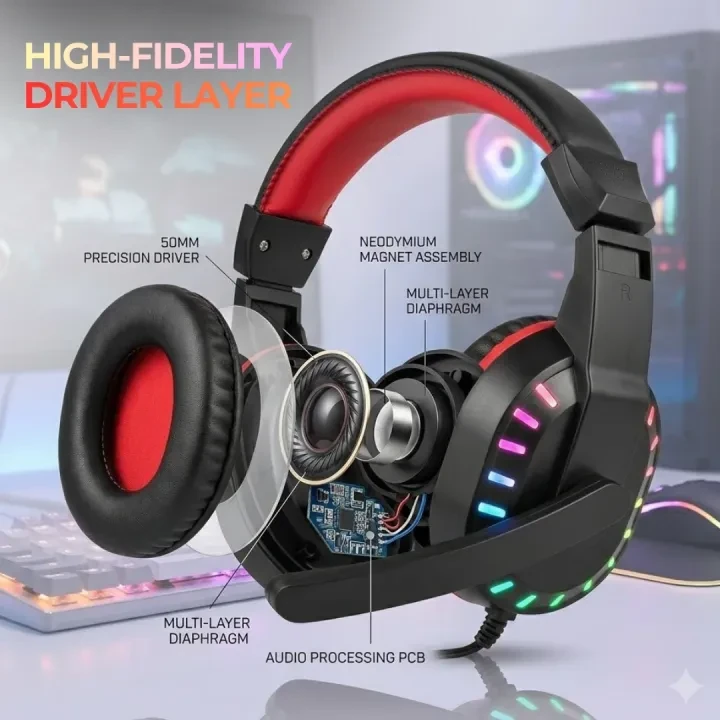
Misde Gaming Headphone Wired A3S RGB 2PIN
Original price was: ₨ 2,300.₨ 1,769Current price is: ₨ 1,769. -
Sale!
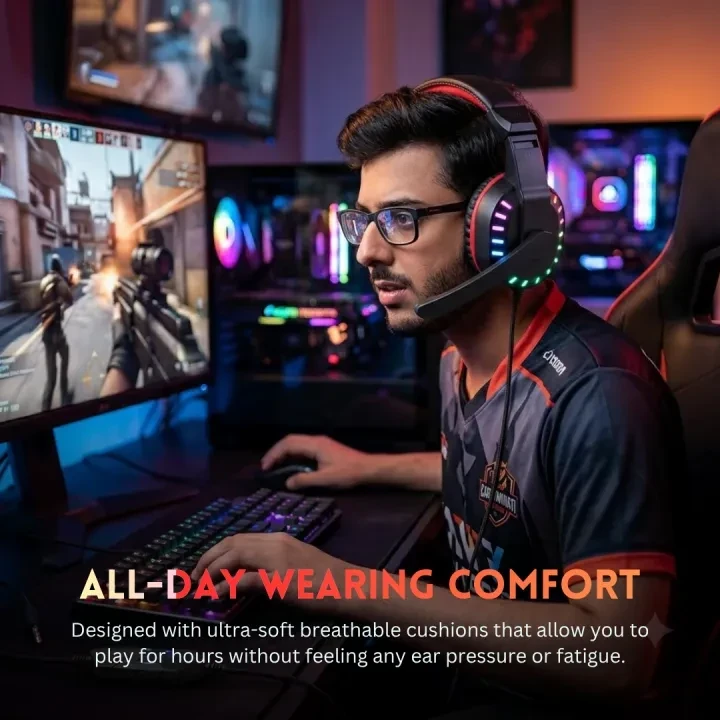
Misde Gaming Headphone Wired A3S RGB 1PIN
Original price was: ₨ 2,180.₨ 1,677Current price is: ₨ 1,677. -
Sale!
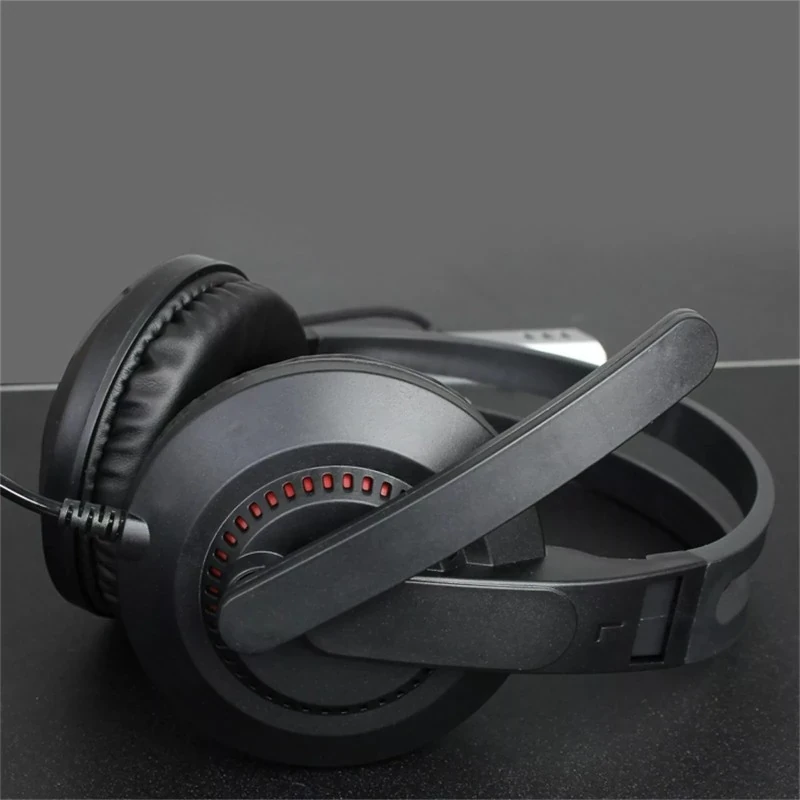
Misde Gaming Headphone Wired A2 1PIN
Original price was: ₨ 1,700.₨ 1,308Current price is: ₨ 1,308. -
Sale!
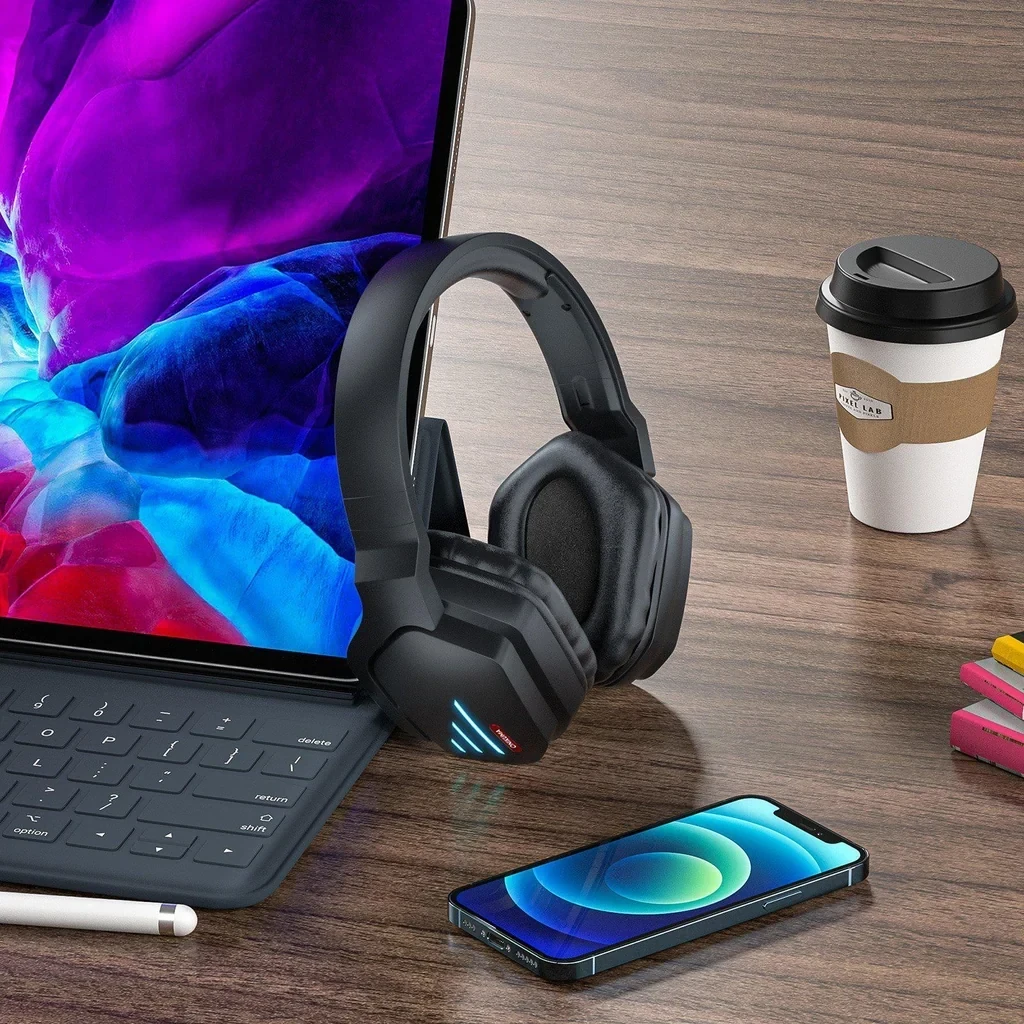
Onikuma Gaming Headphone Wireless B60
Original price was: ₨ 5,300.₨ 4,077Current price is: ₨ 4,077. -
Sale!
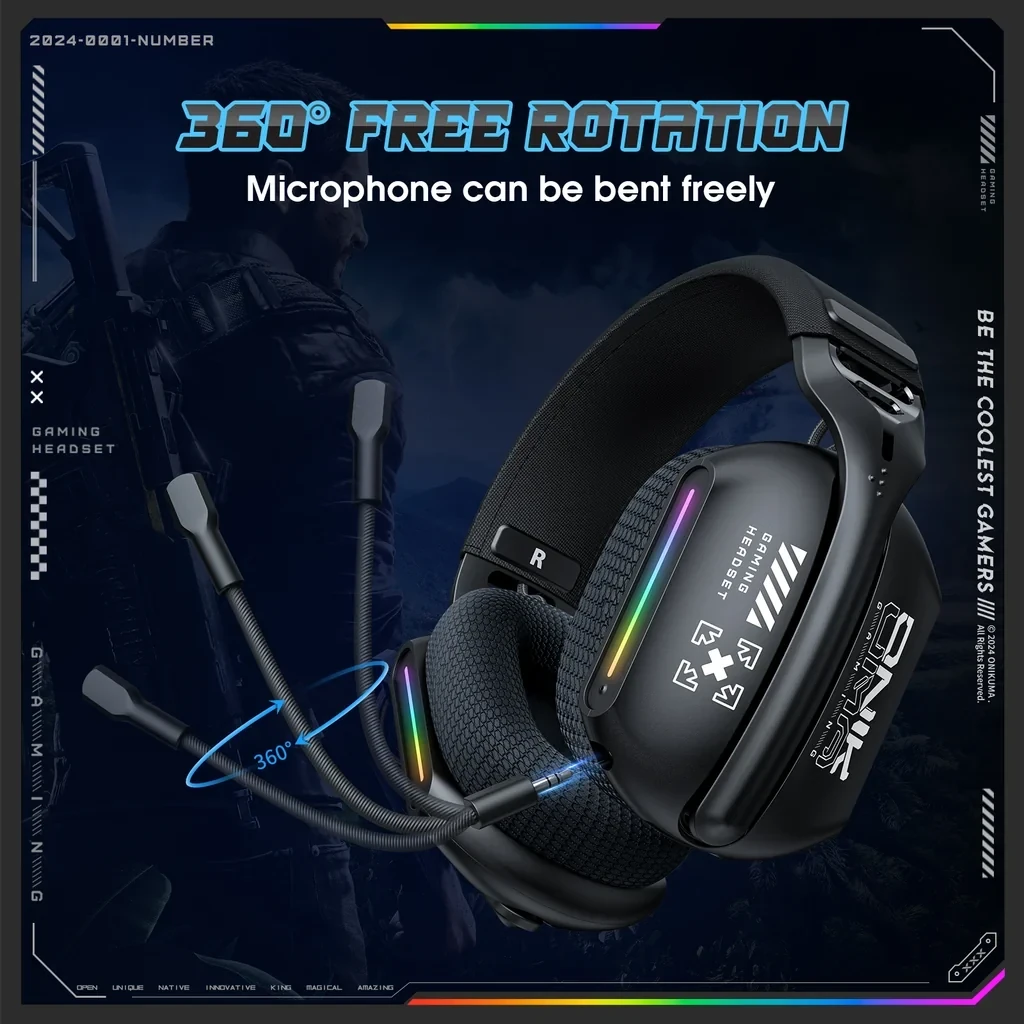
Onikuma 2.4G Gaming Headphone Wireless GT889
Original price was: ₨ 7,600.₨ 5,846Current price is: ₨ 5,846. -
Sale!
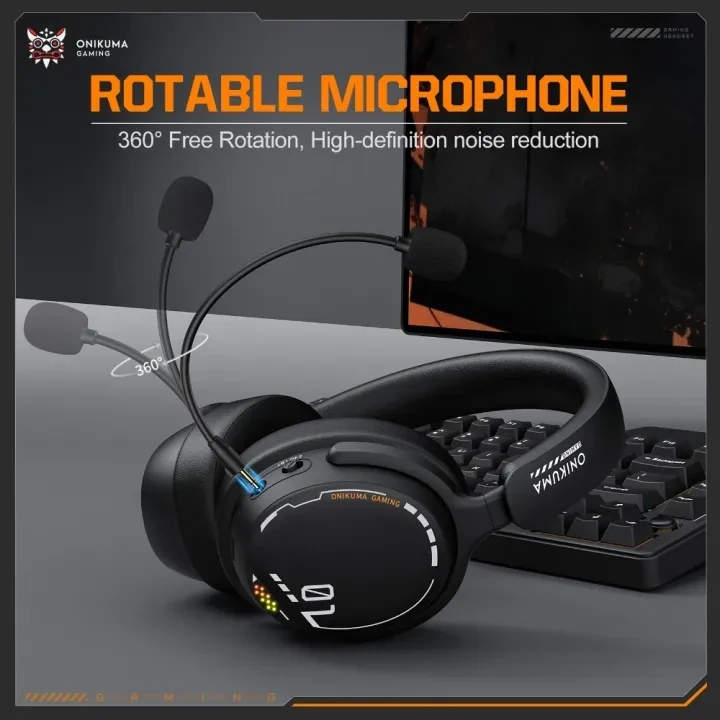
Onikuma 2.4G Gaming Headphone Wireless GT886
Original price was: ₨ 7,980.₨ 6,138Current price is: ₨ 6,138. -
Sale!

Misde Headphone Gaming Wired A66 RGB 2-Pin
Original price was: ₨ 2,260.₨ 1,738Current price is: ₨ 1,738. -
Sale!
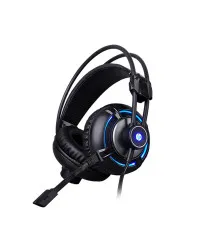
Hp Gaming Headset Gwh300
Original price was: ₨ 3,000.₨ 2,308Current price is: ₨ 2,308. -
Sale!

Mobile Gaming Trigger Taurus
Original price was: ₨ 1,064.₨ 747Current price is: ₨ 747. -
Sale!

Misde Headphone Gaming Wired A65 RGB 2-Pin
Original price was: ₨ 2,340.₨ 1,800Current price is: ₨ 1,800. -
Sale!

Misde Headphone Gaming Wired A2 RGB 2-Pin
Original price was: ₨ 2,200.₨ 1,692Current price is: ₨ 1,692.
Gaming Accessories description
Gaming Accessories encompass a broad set of peripheral devices and add-ons intended to complement gaming systems such as personal computers, dedicated gaming consoles, and mobile devices. These accessories are distinct from the core processing units and the game software itself; they are external components that influence usability, input methods, ergonomics, audio-visual presentation, and system connectivity. In e-commerce contexts, accessory listings present descriptive information that helps consumers evaluate compatibility, form factor, and intended use rather than asserting unverifiable performance claims.
About Gaming Accessories
In product catalogs, gaming accessories are typically organized by the primary platform they support and by functional category. Platform categorization may reference desktop PCs, laptops, console models, or mobile devices. Functional categories group items by purpose, such as input, audio, display management, power and connectivity, and comfort. Listings commonly include manufacturer-provided details that are factual and verifiable at the product level, including interface types, physical dimensions, mounting standards, and stated compatibility notes. Logistics information such as shipping terms, warranty coverage, and seller-provided after-sales support is usually presented separately from product specifications and varies by vendor.
When evaluating accessories, users often consider compatibility, connection method, ergonomics, durability of materials, and ease of maintenance. Compatibility considerations may include supported device interfaces and physical fitting. Connection methods are commonly described as wired or wireless and may refer to generic interface types rather than proprietary names. Ergonomic factors relate to shape, weight distribution, and intended use durations. Descriptions in online listings generally avoid subjective performance comparisons and instead provide factual attributes that can be independently verified.
Common types, features, and considerations
- Input devices: This category covers keyboards, mice, game controllers, and specialized input devices. Listings indicate layout, form factor, and connection method. Descriptive elements focus on physical characteristics, programmable input options where present, and intended use scenarios such as general use, competitive play, or accessibility-oriented control schemes.
- Audio peripherals: Headsets, microphones, and external audio interfaces are grouped under audio peripherals. Product descriptions typically note the connection interface, microphone presence and placement, and whether the device is intended for communication, media playback, or both. Objective details such as connector type and physical design are presented without subjective performance assertions.
- Display and capture tools: Items such as monitor stands, screen filters, mounting hardware, and video capture accessories are used to adjust viewing position, reduce glare, or facilitate video capture workflows. Listings commonly state mounting specifications, supported display sizes or mounting patterns, and interface compatibility for capture devices without making performance guarantees beyond stated compatibility.
- Comfort and ergonomics: Seating, wrist supports, mouse mats, and grip accessories address sustained-use considerations. Descriptions focus on materials, dimensions, adjustability, and maintenance recommendations. Durable construction and cleaning instructions are factual points that sellers typically include to inform purchaser expectations.
- Lighting and aesthetics: Lighting elements and decorative components include configurable illumination strips, backlit controls, and aesthetic enclosures. Product information generally covers control methods, available lighting options, and physical integration requirements rather than subjective effects on gameplay experience.
- Connectivity and power accessories: Hubs, docks, charging stands, and cable management solutions are listed to address port availability and charging needs. Specifications commonly include supported port types, nominal power or charging interfaces stated by the manufacturer, and cable lengths or connector types as applicable.
- Maintenance and protection: Cleaning tools, protective covers, replacement parts, and repair components are included to prolong service life and address wear. Descriptions note compatible models, materials used for protection, and recommended maintenance procedures when provided by the manufacturer or seller.